Greece is best planned around Athens and one main island or mainland region. For a first trip, spend at least 2 full days in Athens, then choose a destination that fits your interests. Crete covers the widest range of experiences, while Santorini suits dramatic scenery, Naxos and Paros suit a balanced island holiday, and Meteora or the Peloponnese combine history with distinctive landscapes.
Greece has thousands of islands and islets, as well as a mountainous mainland. Trying to combine Athens, several Cycladic islands, Crete and northern Greece usually leaves too much time for transfers and too little time in each place.
Greece at a Glance
| Travel goal | Best destination | What to do |
|---|---|---|
| First visit | Athens plus one island | Visit the Acropolis, explore local neighbourhoods and swim at island beaches |
| Best all-round island | Crete | See Chania, Heraklion, beaches, gorges, villages and archaeological sites |
| Greek scenery | Santorini | Walk around the caldera, visit Akrotiri and try local wines |
| Beaches and relaxed island life | Naxos or Paros | Swim, eat local food, visit villages and take boat trips |
| History and dramatic landscapes | Delphi and Meteora | Visit ancient sanctuaries and monasteries above the rocks |
| Green scenery and swimming | Corfu or Kefalonia | Explore historic towns, caves, beaches and mountain landscapes |
| Road trip | Peloponnese | Combine Nafplio, Mycenae, Epidaurus, Olympia and Monemvasia |
1. Explore Athens and the Acropolis
Athens is the usual starting point for a first visit to Greece. Spend at least 2 full days seeing the Acropolis, the Parthenon, the Acropolis slopes, the Acropolis Museum and the historic centre around Plaka, Monastiraki and Thissio. The city also has food markets, galleries, nightlife and coastal districts.
The best things to do in Athens include:
- Walk around the Acropolis early in the day.
- Visit the Parthenon, Erechtheion and Theatre of Dionysus.
- Explore the Acropolis Museum.
- Eat in Psyrri, Monastiraki or Pangrati.
- Walk through the National Garden and around Syntagma Square.
- Visit the Ancient Agora and Roman Agora.
- Take a coastal trip to Cape Sounion and the Temple of Poseidon.
- Spend an evening in Exarchia, Koukaki or Kolonaki.
Athens is a good fit for travellers interested in history, food, museums, nightlife and short city breaks.
2. Choose the Right Greek Island
Greece has thousands of islands and islets, but only some are inhabited. The island groups differ in scenery, transport, beaches and atmosphere, so choose according to the type of trip you want rather than popularity alone.
Santorini: Best for Views, Caldera Scenery and Wine
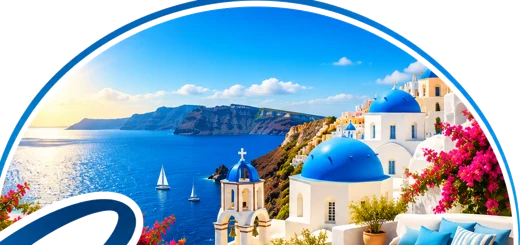
Santorini suits travellers who want volcanic landscapes, whitewashed villages and sunset views. Walk between Fira and Oia, visit the prehistoric settlement of Akrotiri, take a boat trip around the caldera and try wines made from Assyrtiko grapes.
Santorini is less suitable for a traditional beach holiday. Its main attractions are the scenery, architecture, archaeology and food rather than long sandy beaches.
Naxos: Best All-Round Cycladic Island
Naxos has sandy beaches, mountain villages, local food, ancient sites and a broader landscape than many smaller Cycladic islands. Visit the Portara, explore villages such as Apeiranthos and spend time on the western beaches.
Naxos suits families, couples and travellers who want more than nightlife from an island.
Paros: Best for Beaches, Villages and Easy Island Hopping
Paros combines beaches, whitewashed villages, tavernas and a lively but manageable atmosphere. Explore Naoussa, walk through Parikia, take a boat trip to Antiparos and visit the church of Panagia Ekatontapiliani. Paros also fits easily into a Cycladic island-hopping route.
Mykonos and Delos: Best for Nightlife and Ancient History
Choose Mykonos for nightlife, beach clubs, windmills and the Little Venice waterfront. A boat trip to Delos adds an important archaeological site and UNESCO World Heritage Site to the visit.
Mykonos is better for travellers who want nightlife and social energy than for those looking for quiet villages or low-cost travel.
Crete: Best for a Complete Greek Holiday
Crete is the best single-island option for travellers who want beaches, historic towns, mountain scenery, gorges, local food, vineyards and archaeological sites in one trip. Places to include are:
- Chania for its Venetian harbour and old town.
- Heraklion for the Archaeological Museum and nearby Knossos.
- Rethymno for its historic centre and waterfront.
- Elafonisi and Balos for coastal scenery.
- Samaria Gorge or another Cretan gorge for hiking.
- Traditional villages in the interior for food and local culture.
Crete is large, so it does not work well as a quick island stop. Choose the west, east or a longer island-wide road trip instead.
Corfu and Kefalonia: Best for Green Landscapes
The Ionian Islands are greener and more heavily vegetated than the Cyclades. Corfu suits visitors who want a historic old town, coastal drives and lush scenery. Kefalonia is known for Myrtos Beach, Melissani Cave and Mount Ainos National Park. Zakynthos is a good choice for boat trips to the Blue Caves and marine landscapes.
Rhodes: Best for Medieval History and Beaches
Rhodes combines beaches, mountain villages, archaeological sites and a well-preserved historic centre. Walk through the Medieval City of Rhodes, visit the Palace of the Grand Master and travel to Lindos and its hilltop acropolis.
3. Visit Greece's Mainland Archaeological Sites
The Greek mainland offers ancient sanctuaries, medieval towns, mountain villages, national parks and long coastal routes. It is a good alternative to an island-focused trip.
Delphi: The Best Ancient Site After Athens
The Archaeological Site of Delphi sits on the slopes of Mount Parnassus. Follow the Sacred Way to the Temple of Apollo, theatre and stadium, then visit the nearby museum.
Delphi works as a day trip from Athens or as an overnight stop on a longer mainland route.
Meteora: Monasteries Above the Rocks
Meteora is known for medieval monasteries built on towering rock pillars above the town of Kalabaka. Visit several monasteries, walk between viewpoints and allow enough time for the landscape rather than treating Meteora as a quick stop.
Meteora is recognised as a UNESCO World Heritage Site for both its natural and cultural importance.
The Peloponnese: Greece's Best Road-Trip Region
The Peloponnese suits travellers who want ancient sites, beaches, mountains and traditional towns without depending on island ferries. A route can include:
- Nafplio, a historic coastal town.
- Mycenae, a major Bronze Age archaeological site.
- Epidaurus, known for its ancient theatre.
- Ancient Olympia, associated with the origins of the Olympic Games.
- Monemvasia, a fortified medieval settlement built on a rock.
- Ancient Messene, one of the best-preserved ancient cities in Greece.
- Kalamata for food, beaches and access to the Mani region.
Ancient Messene and Monemvasia are useful additions for travellers who want alternatives to the most visited headline attractions.
Thessaloniki and Northern Greece
Thessaloniki is the main city choice after Athens. Walk along the waterfront, visit the White Tower, explore Ano Poli and see the city's Paleochristian and Byzantine monuments.
You can pair Thessaloniki with Halkidiki for beaches, Mount Olympus for hiking or Kavala for a coastal city break.
4. Eat Greek Food Beyond the Standard Tourist Dishes
Greek food changes from region to region, so look beyond the same familiar dishes appearing on every menu.
Try:
- Fresh fish and grilled seafood on the islands.
- Moussaka, souvlaki and Greek salad in traditional tavernas.
- Cretan dakos, local cheeses, olive oil and wild greens.
- Cycladic fava, capers, sun-dried tomatoes and Assyrtiko wine.
- Peloponnese olive oil, citrus, wine and local meat dishes.
- Thessaloniki bougatsa and meze.
- Local pastries, spoon sweets and honey.
The Cyclades have a food culture built around seafood, fava, capers, potatoes, cheeses, honey and local wines. Food markets, family-run tavernas and regional wineries often offer a better meal than restaurants chosen only for a view.
5. Hike, Swim and Take a Boat Trip
Greece offers more than archaeological sites and beaches. Depending on the destination, you can hike through gorges, explore caves, kayak at sea, sail, dive or reach beaches by boat.
Good options include:
- Hiking around Meteora.
- Walking the Samaria Gorge in Crete.
- Hiking Mount Olympus from Litochoro.
- Exploring Vikos Gorge and the Zagori villages.
- Taking a boat trip around Milos to see Sarakiniko and Kleftiko.
- Visiting the Blue Caves around Zakynthos.
- Exploring sea caves around Paxos.
- Swimming at beaches around Naxos, Kefalonia, Rhodes or Crete.
For longer or remote hikes, use marked routes, carry enough water and check local conditions. Some gorges require good fitness, suitable footwear or a licensed guide. Greek tourism guidance also recommends maps, sun protection and emergency preparation on less-developed trails.
6. Choose an Itinerary That Matches Your Trip Length
For a Short Trip
Choose Athens plus one nearby island or mainland destination. Hydra, Aegina, Poros and other Saronic islands are among the closest island destinations to Athens, which makes them suitable for shorter breaks.
For a Week
Choose one of these combinations:
- Athens plus Santorini.
- Athens plus Naxos or Paros.
- Athens plus the Peloponnese.
- Crete, focusing on either the west or east.
For a Longer Trip
A longer visit gives you room to combine Athens with one major region:
- Athens, Delphi and Meteora.
- Athens and a Peloponnese road trip.
- Athens and Crete.
- Thessaloniki, Meteora and Mount Olympus.
- Athens, Naxos and Paros.
Avoid adding too many islands. Ferry transfers, journeys to ports and accommodation changes can take up much of the trip. Athens has frequent domestic connections to mainland destinations and islands, but plan transport before booking accommodation.
The Best Choice for Most Travellers
Use your main interest to choose the route:
- Choose Athens and Crete for the widest mix of beaches, history, food, hiking and towns.
- Choose Athens and Santorini when caldera scenery is the priority.
- Choose Athens and Naxos or Paros for beaches, villages and island food.
- Choose the Peloponnese, Delphi and Meteora when ancient history and mainland landscapes matter more than island life.
One main region is usually enough. The extra time is better spent eating locally, stopping in villages and allowing for the slower parts of travel than trying to collect every famous Greek destination.